Už ste niekedy otvorili pohár prírodného arašidového masla a na vrchu našli vrstvu zlatistého oleja, pod ktorou zostala hustá pasta? Alebo ste si možno všimli, že prírodné arašidové maslo je v porovnaní s tuhými, blokovitými komerčnými alternatívami oveľa redšie a tekutejšie.
Ak je vaším prvým inštinktom vyliať tento olej do odtoku - zastavte! Táto tekutá vrstva je v skutočnosti „tekuté zlato“ a najlepším dôkazom čistoty. Tu je kompletné vysvetlenie, prečo je vaše arašidové maslo tekuté, prečo je to najlepšie pre vaše zdravie a prečo by ste mali jeho tekutosť prijať.
Veda o oddeľovaní: Prečo k nemu dochádza?
Ak premýšľate, prečo je vaše arašidové maslo tekuté, všetko súvisí so základmi potravinárskej vedy a prirodzenou stavbou arašidu (ktorý je, mimochodom, v skutočnosti strukovina, nie orech!).
-
Mletím sa uvoľňujú prírodné tuky: Arašidy obsahujú približne 50 % prirodzených, zdravých tukov. Keď ich pražíme a melieme, aby sme vytvorili dokonale hladkú textúru Bett'r, bunkové steny sa narušia a uvoľnia zachytené oleje.
-
Nízky bod topenia: Arašidový olej má bod topenia približne 3 °C (37 °F). Keďže je to výrazne menej než bežná izbová teplota, prirodzené tuky zostávajú v špajze v tekutom stave. V lete bude vaše arašidové maslo prirodzene redšie než v zime!
-
Proces sedimentácie: Keďže 100 % prírodné arašidové maslo neobsahuje chemické spojivá, gravitácia si robí svoju prácu. Ťažšie pevné častice arašidov bohaté na bielkoviny sa postupne usádzajú na dne pohára a vytláčajú ľahší tekutý arašidový olej na povrch.
Skryté nebezpečenstvo „dokonale tuhej“ nádoby
Ak je oddeľovanie 100 % prirodzený proces, prečo klasické značky zo supermarketov vždy vyzerajú dokonale tuhé a nikdy sa v nich nevytvára vrstva oleja? Odpoveďou sú emulgátory a hydrogenované tuky.
Aby predĺžili trvanlivosť, zabránili oddeľovaniu oleja a znížili cenu výrobku, veľkovýrobcovia odstraňujú cenný prírodný arašidový olej a nahrádzajú ho:
-
Hydrogenované oleje: Tento chemický proces premieňa zdravé nenasýtené tekuté tuky na nasýtené tuhé transmastné tuky. Tie pôsobia ako lepidlo a zachytávajú olej, aby nemohol vystúpiť na povrch. Transmastné tuky sú však silno spájané so zápalmi a kardiovaskulárnymi ochoreniami.
-
Palmový olej: Mnohé značky používajú palmový olej na spevnenie pasty. Nielenže tým znižujú jej nutričnú hodnotu, ale palmový priemysel je aj jednou z hlavných príčin globálneho odlesňovania.
V Bett'r Food striktne hovoríme NIE palmovému oleju, hydrogenovaným tukom a pridaným cukrom. Trochu oddeleného oleja je malá cena za čistú, chemicky nezaťaženú a k planéte šetrnú stravu!
Výživová sila ukrytá v oleji
Vyliať olej neznamená len pokaziť textúru; oberiete sa tým aj o úžasné živiny. Tento oddelený olej je čistý, nerafinovaný arašidový olej plný:
-
Kyseliny olejovej: Mononenasýteného tuku prospešného pre srdce (rovnakého druhu, aký sa nachádza v olivovom oleji), ktorý podporuje zdravú hladinu cholesterolu.
-
Vitamínu E: Silného antioxidantu, ktorý chráni bunky pred oxidačným stresom a podporuje žiarivý vzhľad pokožky.
-
Horčíka a draslíka: Základných minerálov potrebných na regeneráciu svalov a správne fungovanie nervov.
Prečo je „tekutosť“ pri varení v skutočnosti výhodou
Keď si zvyknete na tekuté prírodné arašidové maslo, uvedomíte si, že ide o obrovskú kulinársku výhodu. Tuhé komerčné arašidové maslo trhá chlieb a v mixéri sa zhlukuje. Naše tekuté arašidové maslo Bett'r je neuveriteľne všestranné:
-
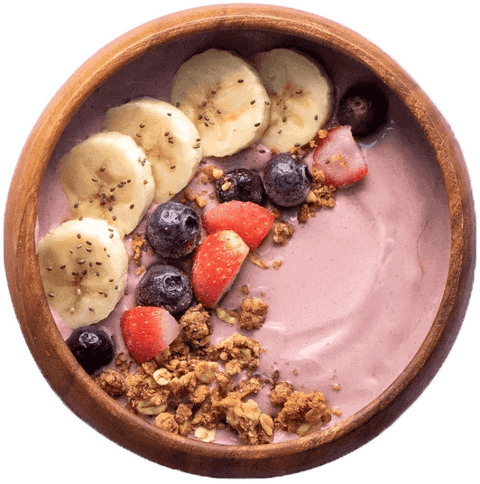
Dokonalé pokvapkanie: Krásne steká po ovsených kašiach, smoothie miskách a proteínových lievancoch.
-
Pečenie: Bez problémov sa vmieša do vegánskeho cesta na sušienky a cesta na brownies bez suchých hrudiek.
-
Slané omáčky: Ľahko sa vyšľahá so sójovou omáčkou, limetkou a zázvorom a vytvorí autentickú, hodvábne jemnú ázijskú satay omáčku alebo šalátový dresing.
Ako zvládnuť miešanie: Praktické tipy
Vmiešanie prebytočného oleja späť do pohára môže byť niekedy neporiadne, ale so správnou technikou to trvá len niekoľko sekúnd.
-
Trik s obrátením pohára: Neotvorené poháre arašidového masla Bett'r skladujte v špajze hore dnom. Gravitácia prinúti olej pretekať „nahor“ cez pevnú hmotu a prirodzene ho premieša ešte pred otvorením.
-
Metóda s paličkou: Namiesto širokej lyžice, ktorá vytláča olej cez okraj, použite paličku alebo pevný nôž na maslo. Vytvorte otvory až ku dnu, aby olej vsiakol dovnútra, a potom jemne miešajte krúživými pohybmi.
-
Po premiešaní uchovávajte v chladničke: Keď ho vymiešate na dokonale krémovú konzistenciu, vložte pohár do chladničky. Nízka teplota prirodzene spevní oleje a udrží maslo dokonale premiešané až do poslednej lyžičky.
Často kladené otázky: Prírodné arašidové maslo
Je tekuté arašidové maslo pokazené alebo škodlivé?
Vôbec nie! Tekutá alebo olejová vrstva na povrchu je znakom kvalitných prírodných surovín. Arašidové maslo sa pokazí iba vtedy, keď zapácha po žltnutí, kyslo alebo získa horkú chuť (zvyčajne po mnohých mesiacoch vystavenia vzduchu a teplu).
Mám z arašidového masla vyliať olej, aby som znížil počet kalórií?
Nie. Olej by ste nikdy nemali vylievať. Hoci tým možno mierne znížite obsah tuku, vyhodíte aj dôležité vitamíny a zdravé nenasýtené tuky. Navyše po jeho vylití zostane arašidové maslo suché, drobivé a prakticky neroztierateľné.
Prečo je arašidové maslo Bett'r alebo Naughty Nuts tekutejšie než iné?
Arašidové maslo Bett'r sa vyrába výhradne z BIO pražených arašidov. Keďže odmietame používať palmový olej, hydrogenované tuky a umelé zahusťovadlá, naše arašidové maslo si zachováva svoju autentickú, prirodzene tekutú konzistenciu.